Returning to Simplicity: My Path to Orthodox Homesteading
Guest Blogpost By Olympia Rusu
I didn’t grow up imagining I would one day run a farm, formulate teas, or teach courses on traditional skills. I came from a fast-paced suburban lifestyle in the San Francisco Bay Area. My husband and I converted to Orthodox Christianity in 2020 from a Protestant upbringing that I’m still deeply grateful for. And as we began living the Orthodox way of life, I experienced a series of quiet but unmistakable shifts that answered questions I had carried for years.
Looking back, my previous work experiences, general direction, and even long-standing health struggles all seemed to point toward the same conclusion: I needed a more peaceful, grounded life rooted in nature and prayer rather than urgency and feeling overwhelmed. In a way, I didn’t even know what I needed— but it turns out it had been waiting for me in North Carolina.
What People Mean by Orthodox Homesteading
There’s a growing interest among Orthodox Christians in what’s often called “Orthodox homesteading.” But the phrase itself can mean a lot of different things depending on who is using it. For some, it immediately brings to mind land, animals, gardens, and food preservation. For others, it simply means learning older, slower, more intentional ways of living within a modern context—often starting with books about making bone broth or home-baked bread in your kitchen or apartment. And for many Orthodox women in particular, it’s less about aesthetics and more about formation: building a home life that reflects the rhythms of the Church.
At its core, what most people are really asking is not “How do I become a homesteader?” but rather:
“How do I bring my daily life—my food, my home, my work, my time—into a more grounded, faithful order?”
In practice, Orthodox homesteading usually shows up in very ordinary ways:
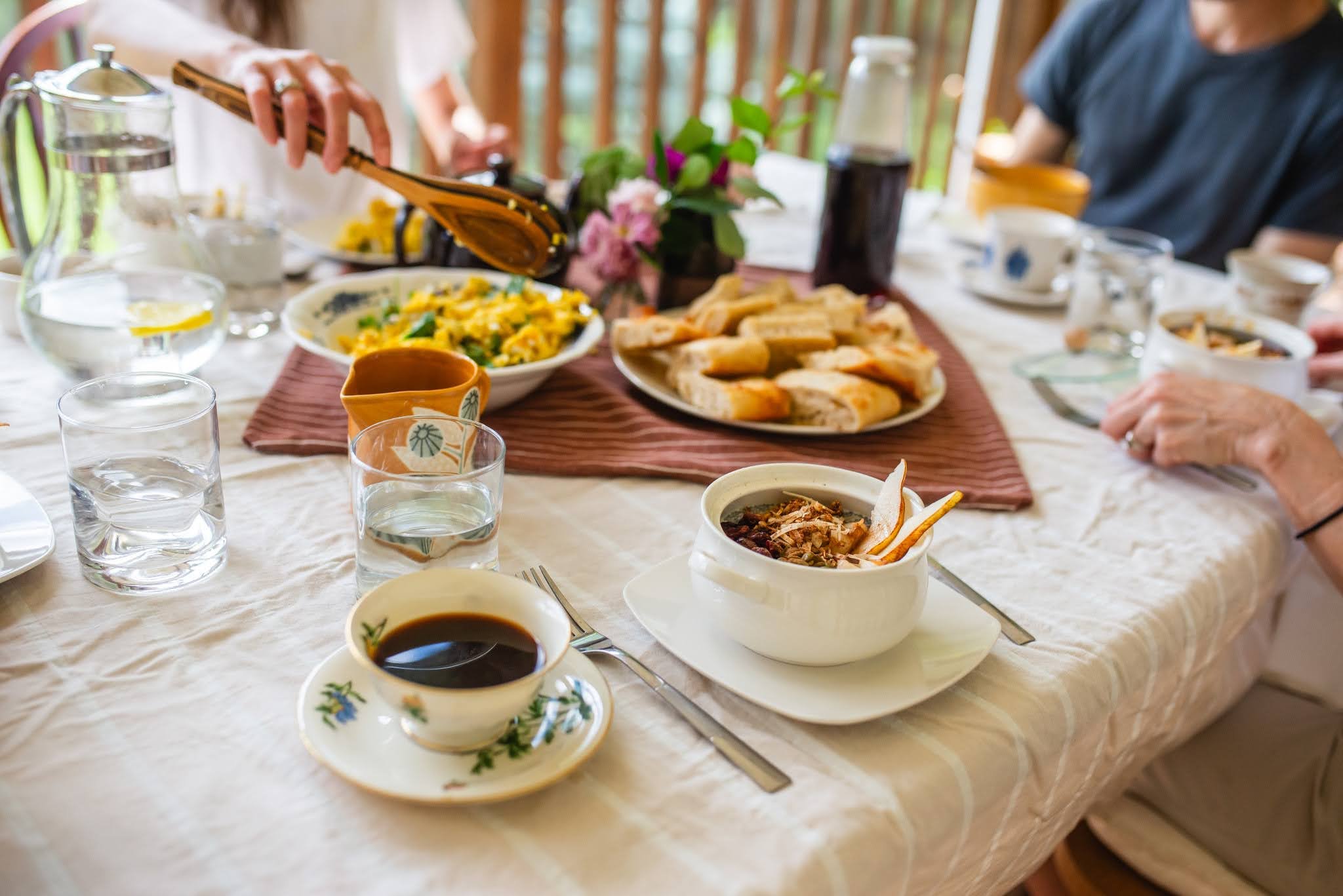
cooking more meals from scratch and eating seasonally as well as with the fasting and feast cycles of the Church year
practicing small acts of stewardship—whether that is maintaining healthy home rhythms, growing herbs, preserving food, or reducing waste
learning to structure the home around prayer, meals, and balance, rather than constant external demands
practicing hospitality to family, friends and those in your community
learning to receive the natural world with gratitude, using God’s creation- like candles, food, sleep, incense, and our bodies to honor God rather than as something separate from spiritual life
In this way, the home begins to take on something of a monastic rhythm—not in a strict or formal sense, but in a way that is ordered, intentional, and oriented toward God.
The First Steps Toward a Different Rhythm
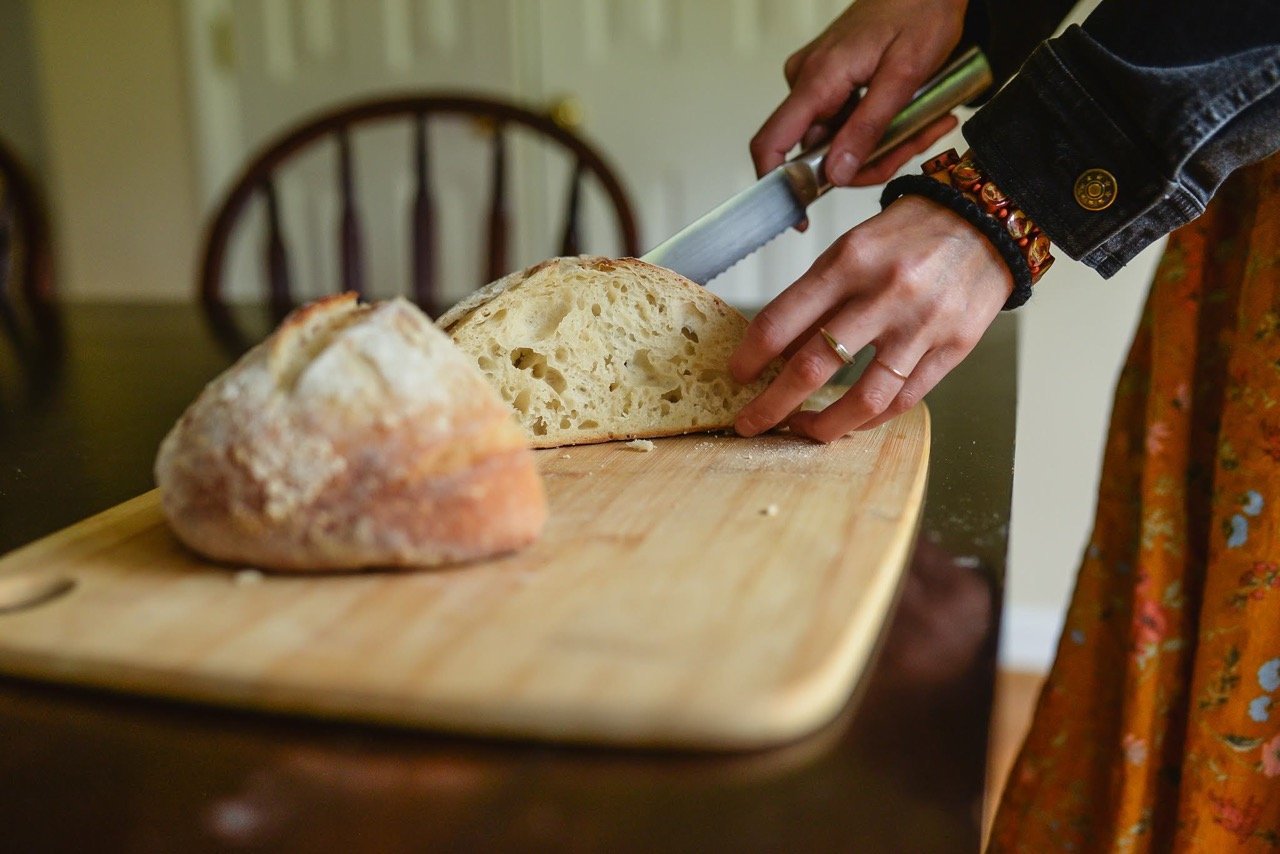
For me, the idea of “Orthodox homesteading” didn’t begin with land or a full lifestyle overhaul (although that did come later). It started in the kitchen of our rented apartment with something very simple: learning to make long-fermented sourdough bread. At the time, I had already been gluten-free for eight years, so when I learned that sourdough might be something I could tolerate again, I decided to try it.
That first step opened something unexpected.
I realized I actually loved baking—and especially working with whole, real foods. I never would have described myself as a baker, let alone someone who “liked to cook,” but I began to see that I already had the foundation for it. Years of gluten-free, vegan, and alternative baking had trained me to work creatively with ingredients, so shifting into sourdough felt like the next natural step if it meant I could eat bread again. It was intimidating at first, but over time it became second nature.
This coincided with a season of slowing down in every part of life and learning to notice God both in the busy moments and in the small, quiet ones. I can now see how much of my life had been forming what I would now recognize as homesteading principles— without even realizing it:
working at a busy organic apple booth at our local farmers market in high school
working in an upscale afternoon tea room in college, where I learned the art of loose leaf tea
educating in the “whole body” department at Whole Foods Market about tinctures and herbal supplements
becoming a board-certified holistic nutritionist to guide people towards more holistic embodied living
At the time, all of these experiences felt unrelated. Only later did I begin to see that they were all pointing toward the same thread: food, herbs, and healing.
How Saint Basil Teas Began
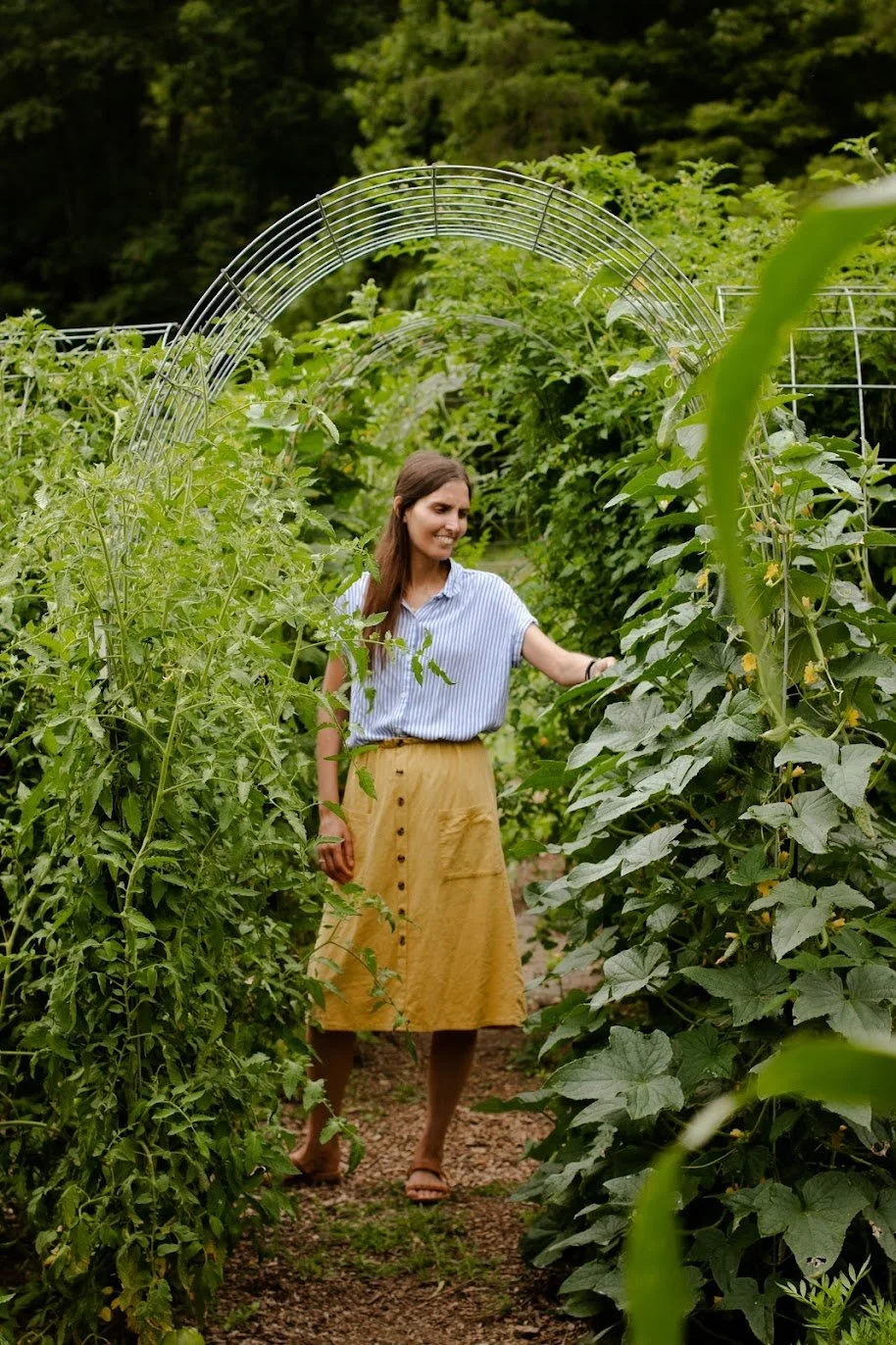
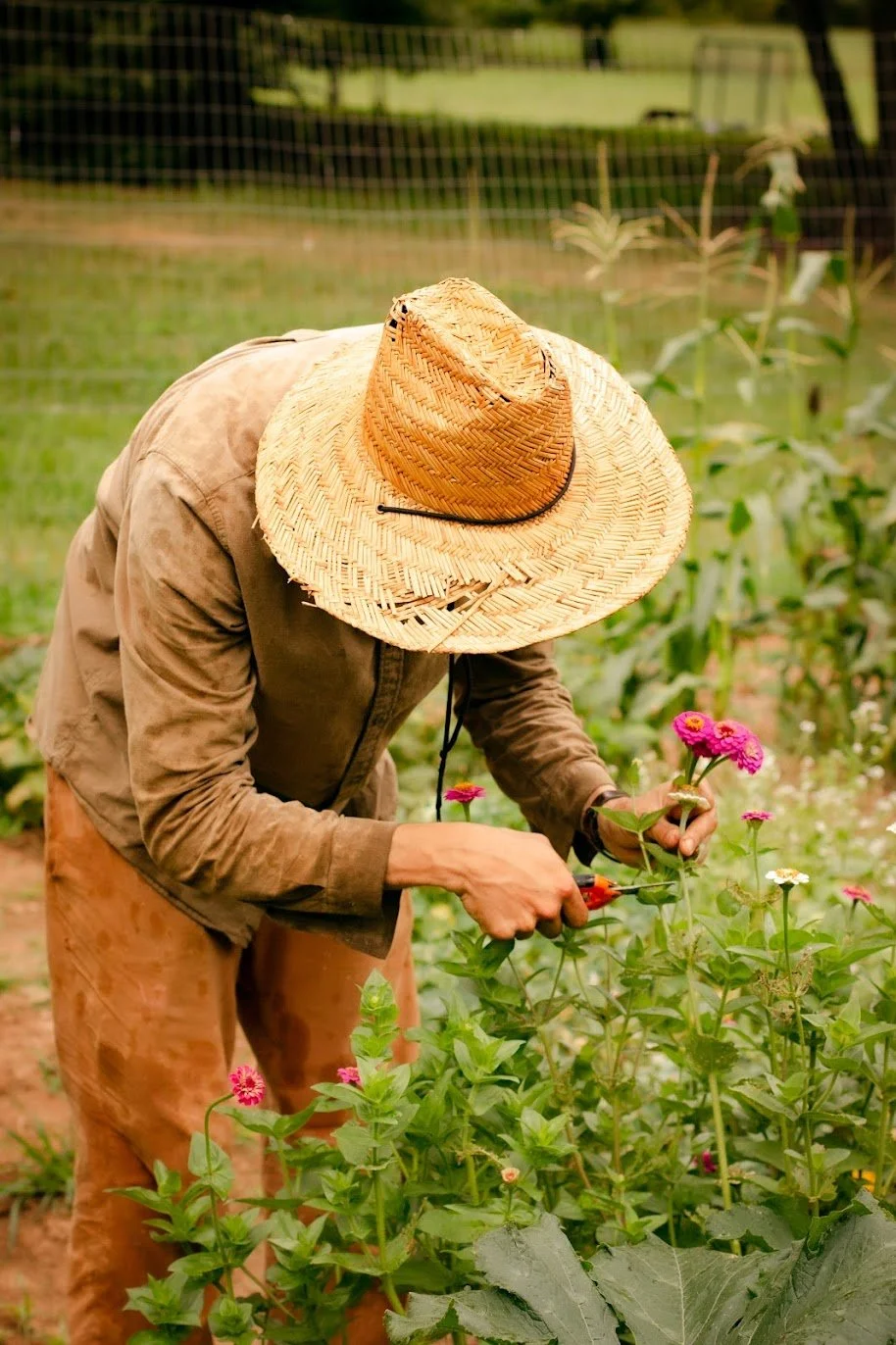
A few years ago, we moved to North Carolina and began growing more of our own food. I quickly discovered the richness that comes from cultivating even a small piece of land—edible flowers, nutrient-dense herbs, and even common “weeds” that carry powerful medicinal properties and can be used in everyday meals. At the same time, I began to reconnect something my health journey had been quietly pointing toward for years: tea.
Why tea? Herbal tea? Medicinal tea? Tea that I was determined to make taste good!
Because no matter what season I was in—whether fasting in the Orthodox Church or navigating health needs—I could always return to tea. Over time, I began to see tea is not just for comfort, but as a daily practice of nourishment and support.
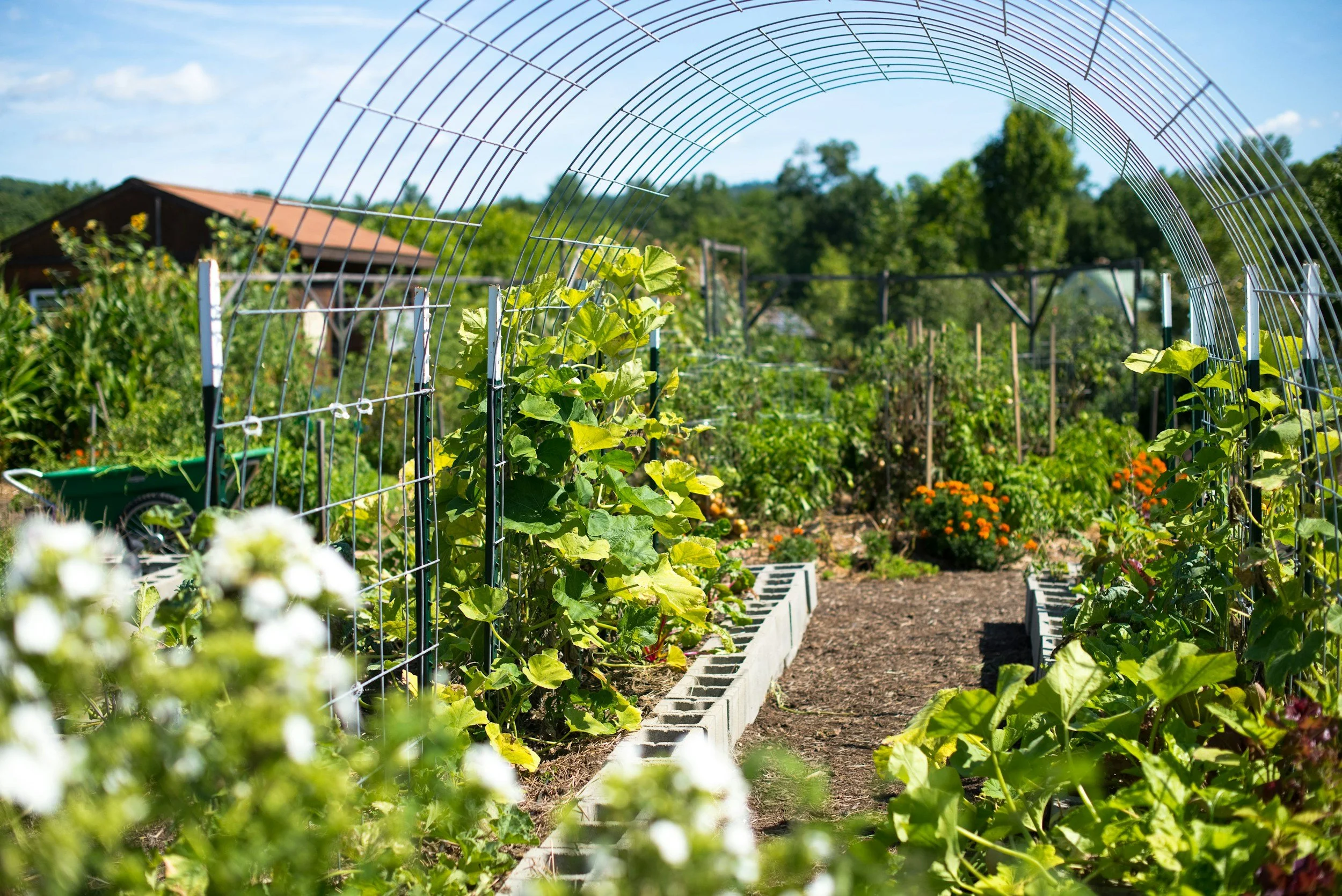
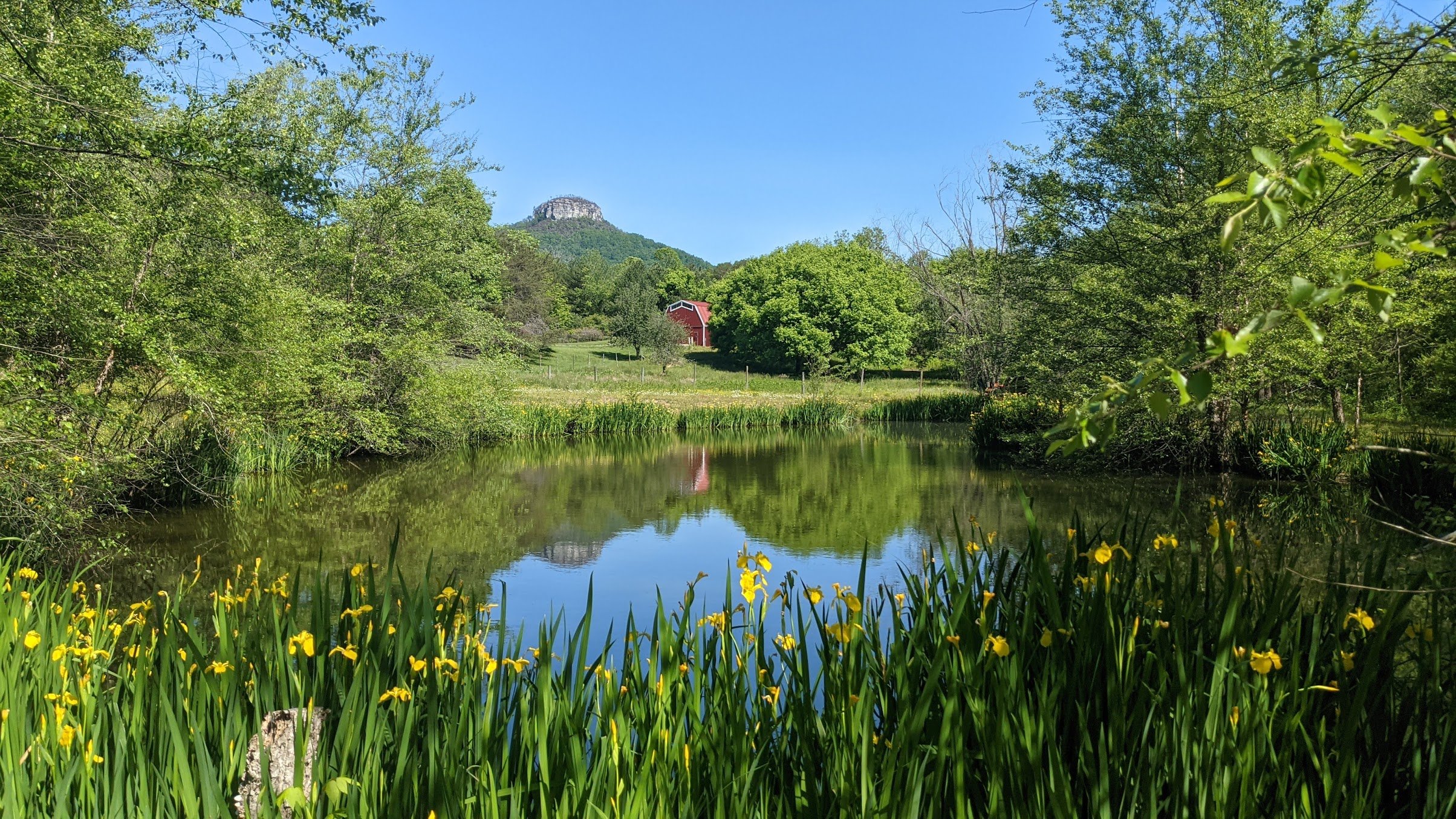
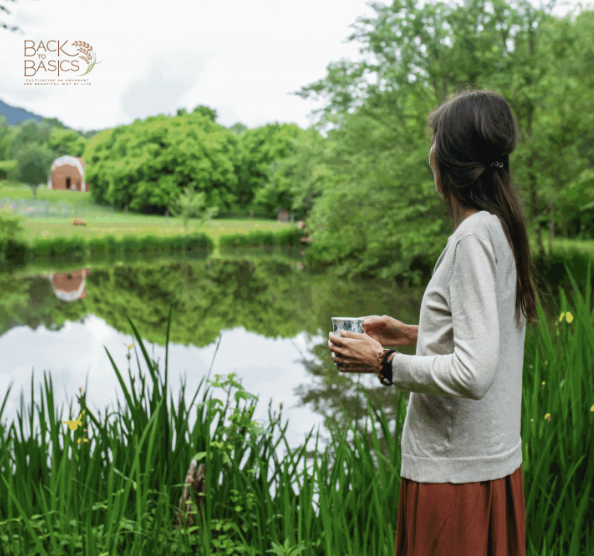
Around this same time, friends in our Orthodox community began showing us how to forage for medicinal plants. On our 7.5-acre farm in rural North Carolina, we discovered we already had an abundance of useful wild and cultivated herbs growing all around us.
I began experimenting at first—making myself my own “first client.” I started blending small batches of loose leaf herbs from our land, focusing on very practical needs:
digestion support
gut healing nourishment
calming the nervous system
gentle daily wellness blends
tinctures for my husband’s seasonal allergies and illness
What I created was never originally meant to be a business. It was simply what we were already using in our home.
As I stepped away from one-on-one holistic nutrition consulting and spent more time on the farm, I began sharing these blends with friends and family. At the same time, we were already planning to sell sourdough bread and produce at local farmers markets, so it felt natural to begin considering whether these medicinal tea blends could also become part of that work.
My priority was to create teas that were both medicinally beneficial as well as tasted good enough for people to crave it in their everyday rhythms. Thus, what started with one tea blend with holy basil and ashwagandha has now turned into 13 different small-batch tea blends and 5 different tinctures among other farm products like our foraged herbs and homegrown lavender bunches. I thank God for the opportunity to share in others’ stories of healing and comfort.
We named the farm and the tea company after Saint Basil the Great, whose legacy of stewardship, healing, and education deeply shaped our vision. My hope was—and still is—that his name would be present in homes that may not yet know Orthodoxy, but can still experience care, nourishment, and restoration through what we create.
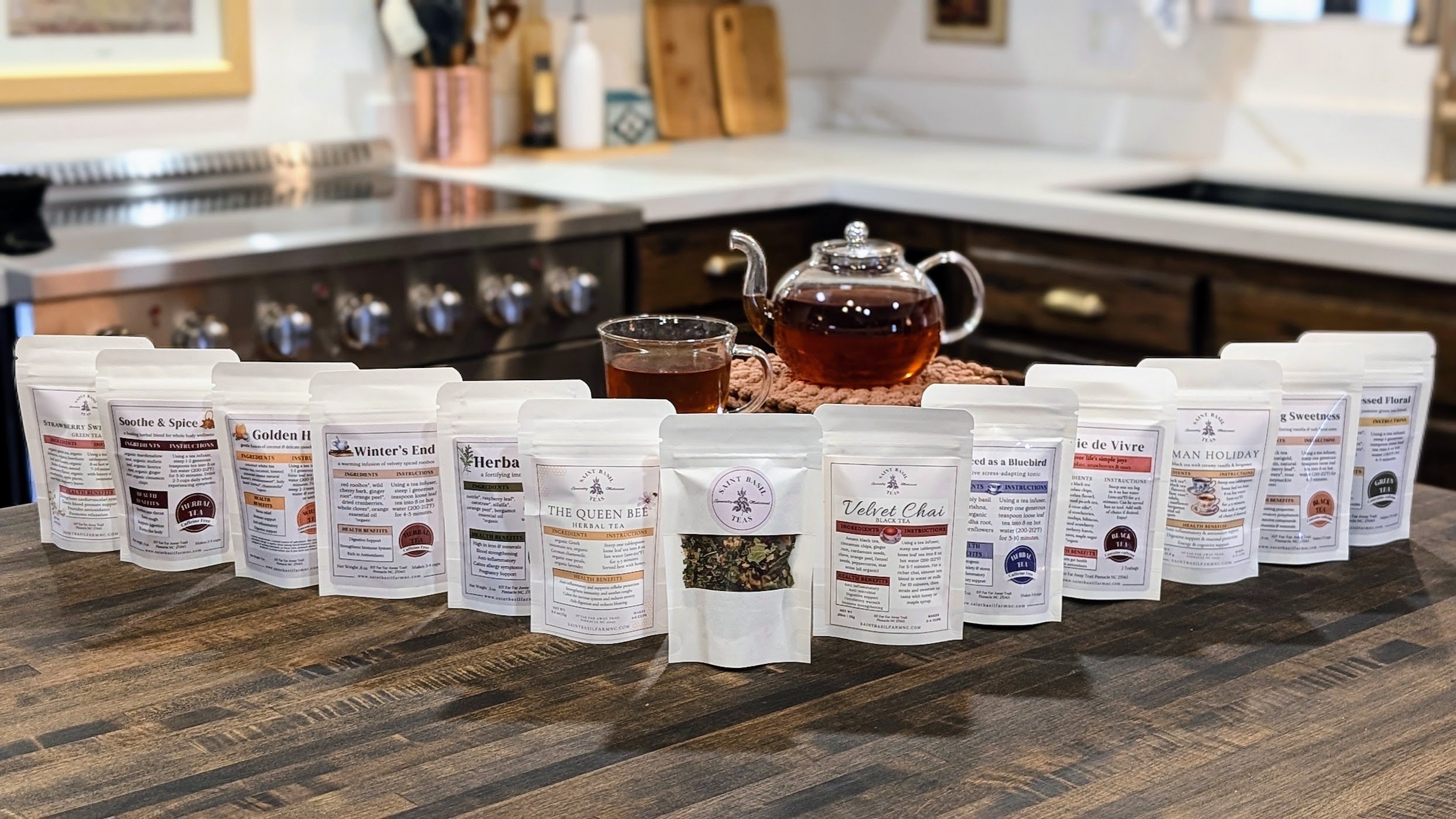
My focus has always been simple: to create genuinely useful products for people navigating digestive issues, pregnancy support, anxiety, joint discomfort, autoimmune conditions, and other ongoing health challenges.
Here are a few things I learned as we moved to the farm, put down deeper roots in our faith, and began using the healing gifts God has placed in creation to build a life that feels grounded, peaceful, and life-giving. I hope they can help you begin moving toward the kind of life you feel drawn to.
How to Start Living Orthodox Homesteading in Real Life
One of the biggest misconceptions about “Orthodox homesteading” is that it requires a dramatic life change all at once. In reality, it usually begins much smaller than people expect. Here are a few practical shifts that made the biggest difference for me:
1. Start with one daily practice, not a whole lifestyle
Instead of trying to change everything, choose one rhythm you can actually keep:
making one meal from scratch each day
planting one herb or vegetable in a pot that you’ve been wanting to try to grow
brewing herbal tea instead of reaching for convenience drinks
keeping a simple morning or evening prayer routine
spending 10–15 minutes outside daily, even just walking or observing
In living more beautifully, I believe that consistency matters far more than making big decisions or starting huge new projects. Pick one thing that makes you feel alive, and do more of it, more often.
2. Learn skills in layers, not all at once
Resist the pressure to learn everything simultaneously. A gentler and more sustainable approach is to build one skill at a time and allow space for mistakes along the way.
You can think in layers:
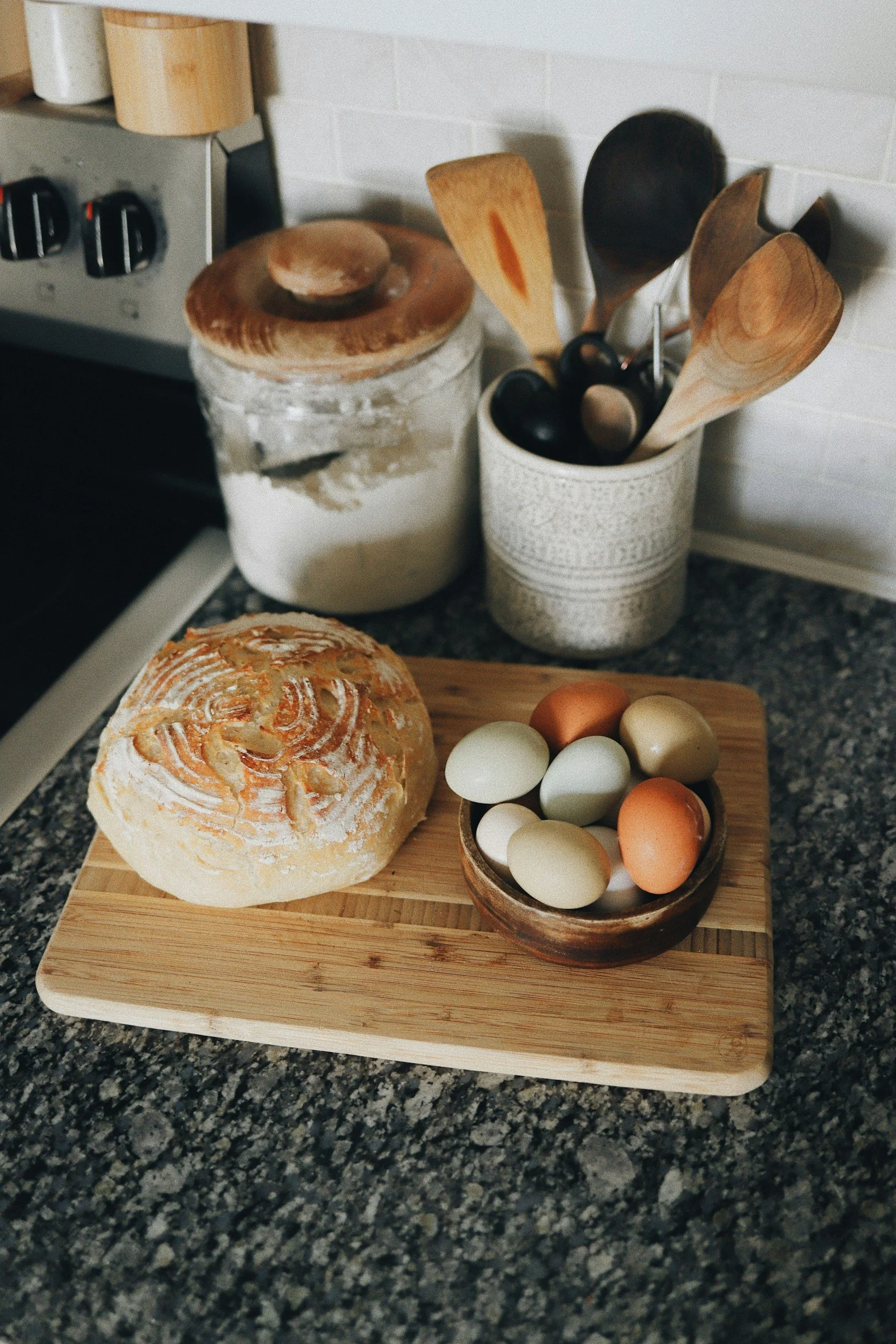
begin with food: sourdough, basic cooking, seasonal meals
then explore herbs and teas
then move into gardening, animals, or larger projects
Each layer makes the next one easier to understand and utilize practically in everyday life based on what works for you and your family.
3. Pay attention to what your real life is already asking for
Your starting point does not need to be an abstract dream of homesteading. Often, your current season is already pointing you toward your first steps.
This might look like:
health needs that require more intentional cooking
fatigue from a fast-paced environment
a desire for quieter daily structure
a longing for work that feels meaningful and embodied
Pay attention to the season you’re in and lean into it. Even limitations can reveal your next step through prayer. Receive the limitations of your season as a gift—something God is using to gently guide you to the next path to take. From there, things will often begin to unfold more naturally, not according to our expectations, but according to His leading.
4. Learn from people actually living the type of lifestyle you want to build
This isn’t about comparison, it’s about community and sharing our human experiences with one another to grow and thrive together. Seek out real people who are living the type of life you want to live and learn from their experience. This can happen through:
conversations and asking for help with practical needs
participation in parish life
time spent at monasteries
hands-on learning and observation
noticing what is actually sustainable long-term
All of life takes a village. Motherhood, dealing with chronic illness, living out Christianity with genuineness- all of these require people who can guide us in the roads we are walking. That’s why we have the saints, and that’s why God gives us families and friends.
A Step Further- Where I Saw the Need for Resources
As I began sharing what I was learning—through food, herbs, teas, and daily rhythms—I noticed the same pattern over and over again.
People didn’t just want inspiration.
They wanted:
a starting point that wasn’t overwhelming
guidance that connected faith, home life, and practical skills
a way to begin without needing to reinvent their entire life
accountability and community with other women who also want an abundant, more beautiful way of life
That gap is what led me to begin organizing everything I had learned into accessible entry points through videos, courses and resources I could share.
Back to Basics: A Starting Point for Real Life Change
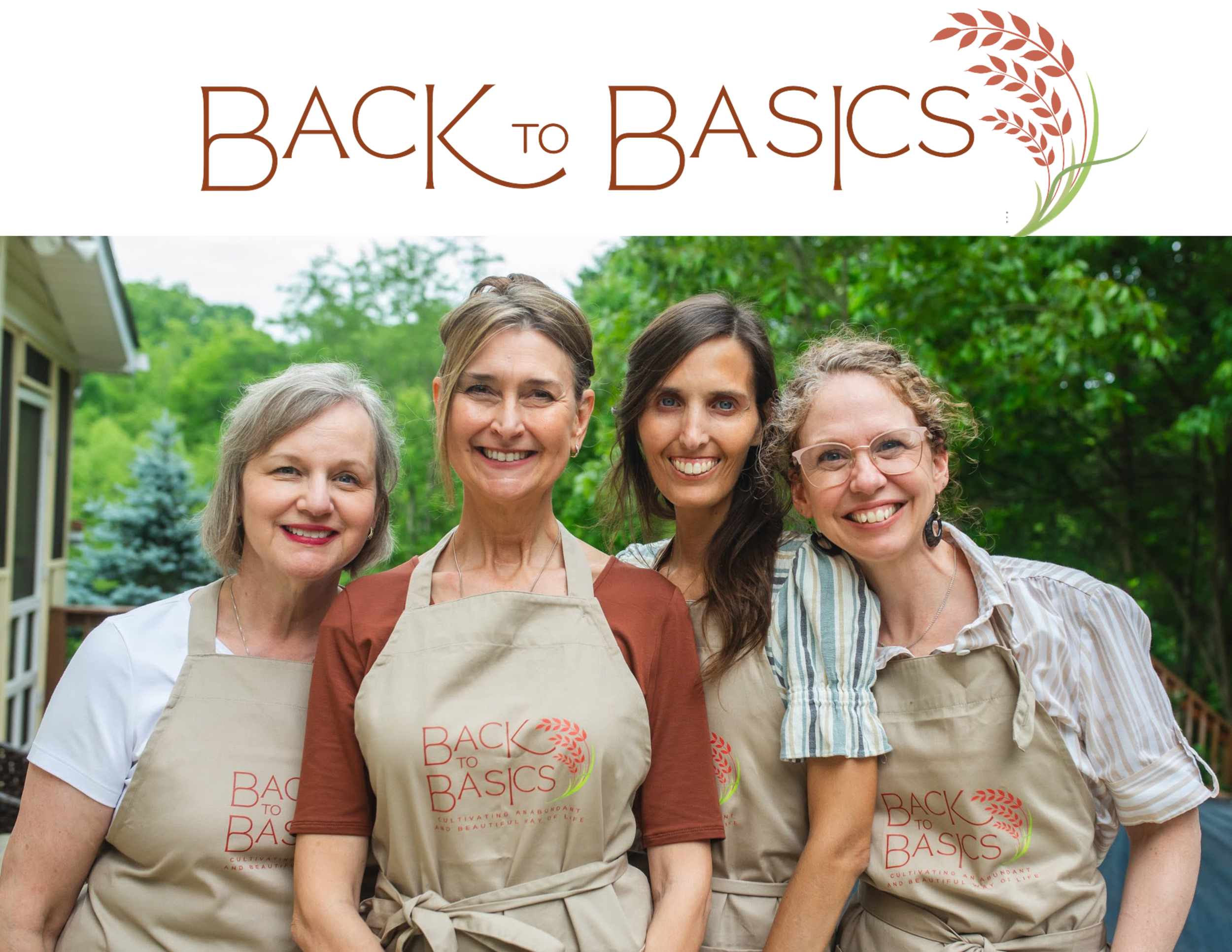
The Back to Basics program was co-created with Cynthia Damaskos and Molly Sabourin from Ancient Faith Radio’s Filled with Less podcast. It grew out of a shared desire to help women move beyond inspiration and into real, embodied change—combining an Orthodox framework for life with simple, practical skills for the home.
Across 10 weeks, the online course offers both mindset shifts and hands-on instruction, including:
a beginner-friendly guide to sourdough breadmaking
intuitive cooking principles for more joyful, grounded meals
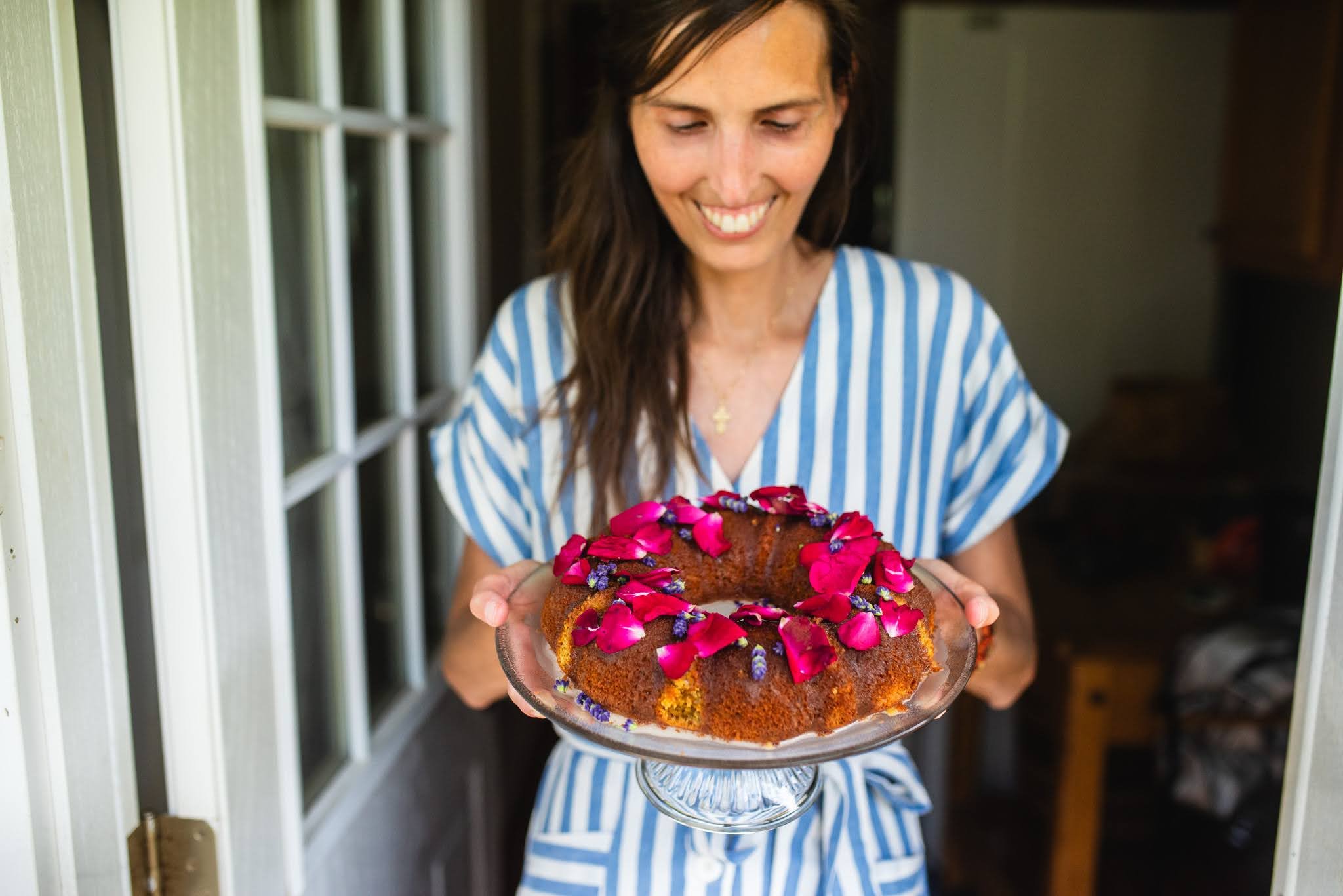
ways to cultivate a wholesome home through creative practices like flower arranging and beeswax candle-making
foundational gardening skills, including regenerative agriculture principles
an introduction to medicinal herbs and natural care for the home and family
In addition to 35+ practical videos and a detailed 170+ page e-book, participants also receive weekly video calls and access to a private group of women learning alongside one another in real time and lifetime access to participate anew every year.
This program is designed for those who feel drawn to a slower, more intentional, faith-centered way of life—but don’t know where to begin. My hope is that it will help you to avoid the feeling of overwhelm when trying something new and to reconnect in a deeper way with your home, your family, and your faith in practical ways.
The goal is not perfection or productivity, but stability, peace, and formation through rediscovering joy and elevating your every day. It starts May 11, so join us today!
Learn more and sign up at: https://www.filledwithless.com/b2b
Use code DESTINIE for 10% off the program
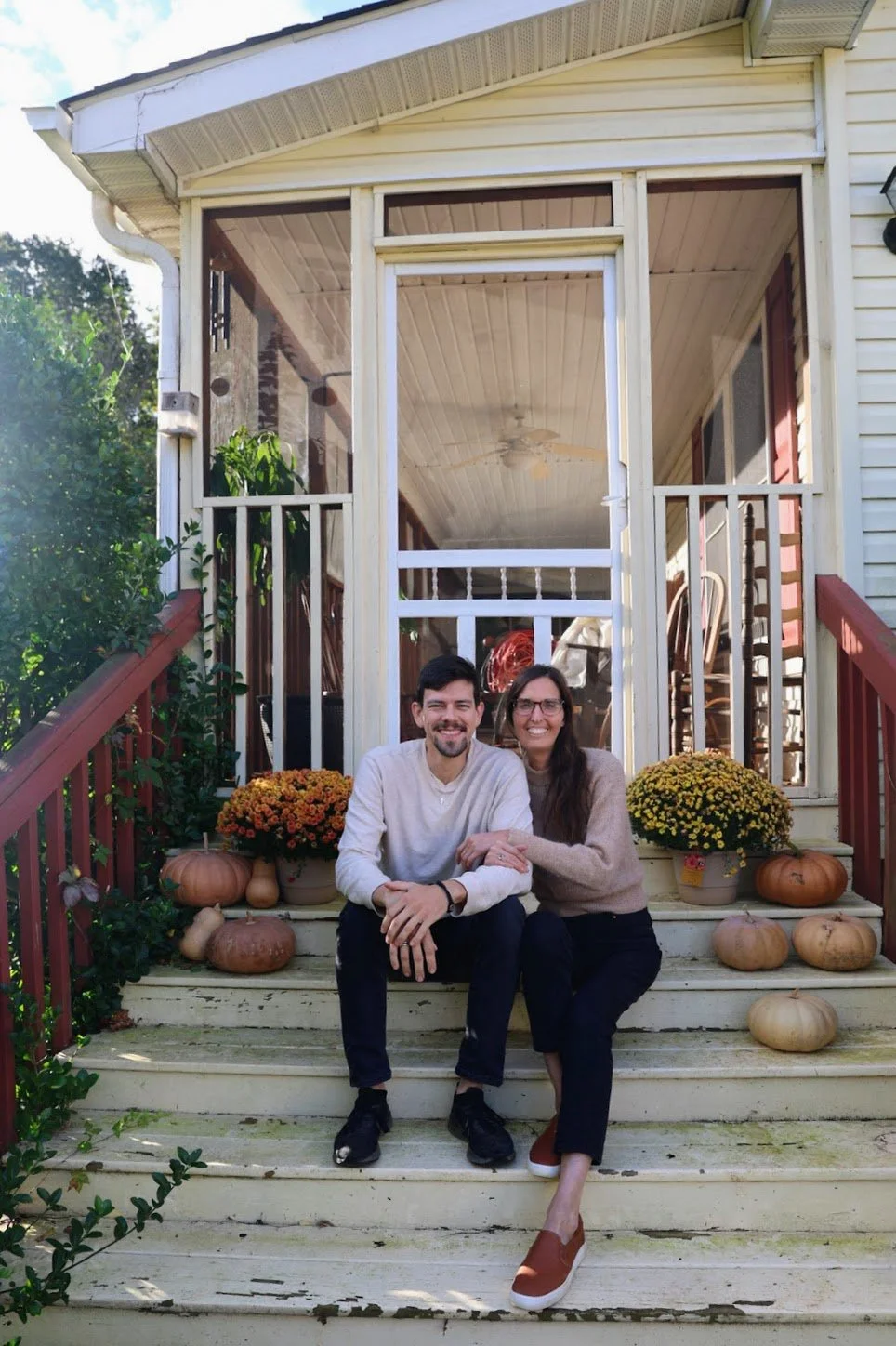
Connect With Us at Saint Basil Farm
Thank you for taking the time to read about Saint Basil Farm and our journey in Orthodox homesteading. If you want to follow along about what’s going on at the farm, you can find us at:
Saint Basil Farm website & blog:
Email us at:
saintbasilfarmnc@gmail.com
Order Teas, Tinctures and Farm Products from our Farm Shop:
https://saintbasilfarmnc.com/farm-shop-page/
Or purchase from any of our North Carolina and California locations: https://saintbasilfarmnc.com/saint-basil-teas/
Book a farmstay at our cottage:
https://airbnb.com/h/saint-basil-farm
Join the Back to Basics Course (starts May 11!):
https://www.filledwithless.com/b2b

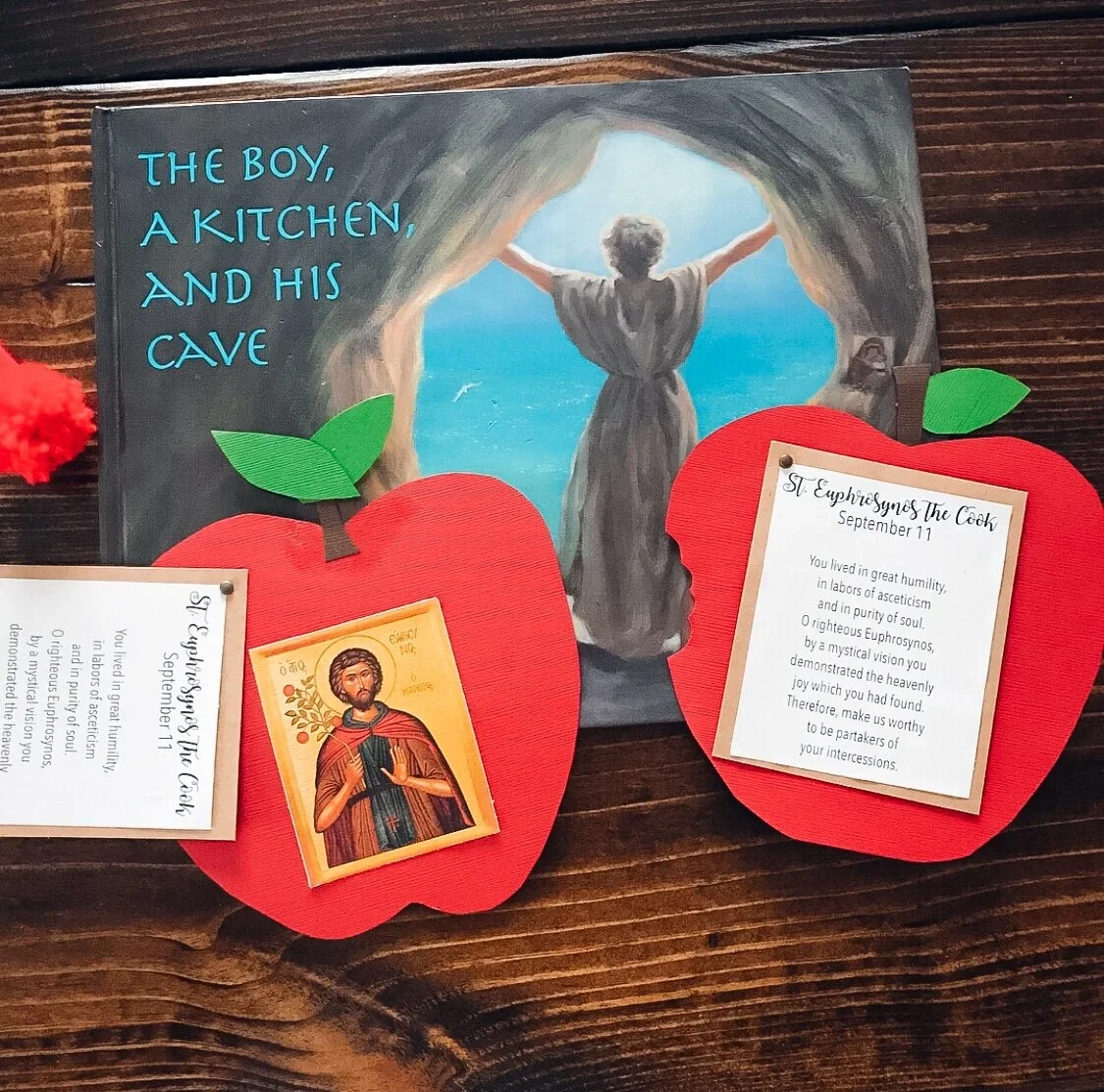
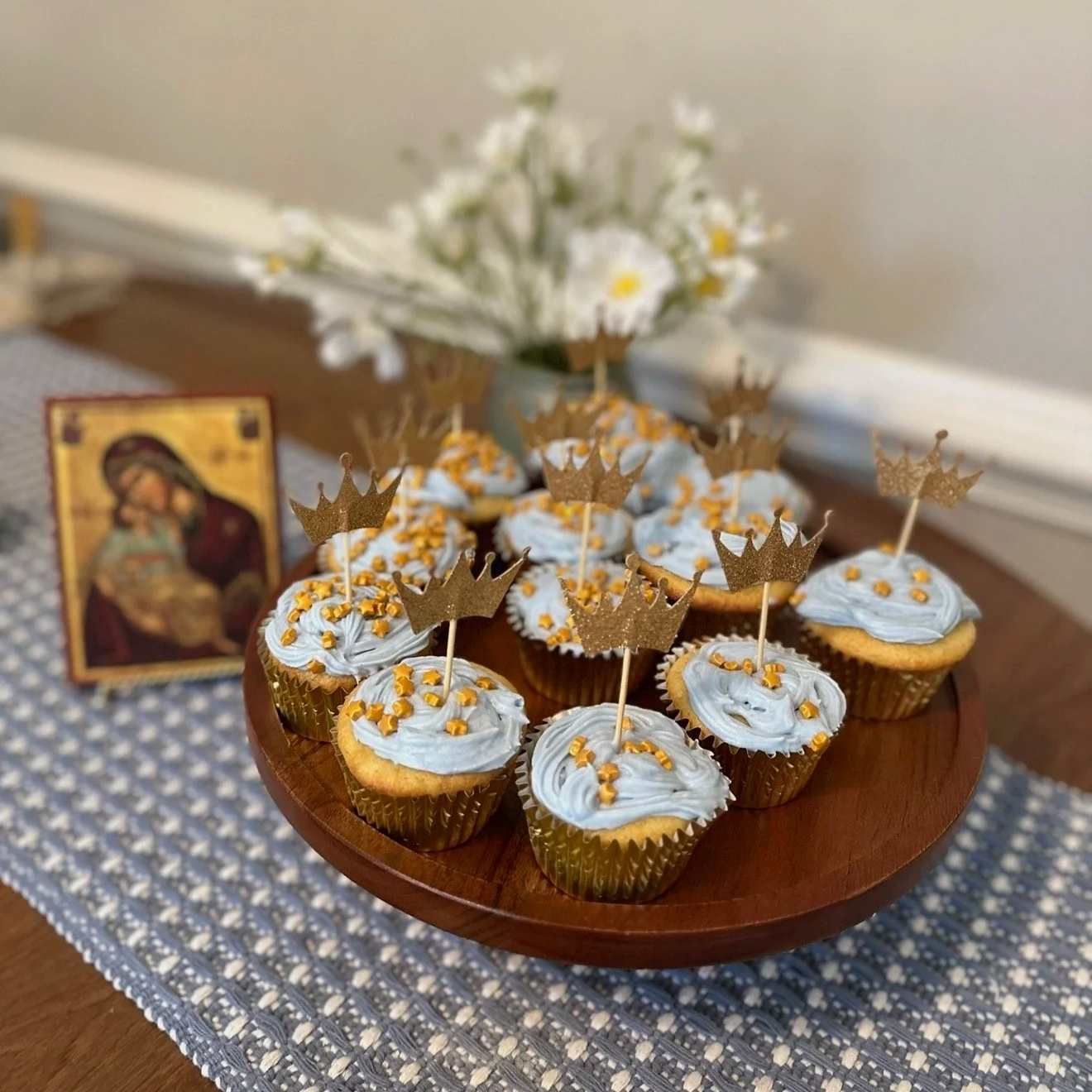
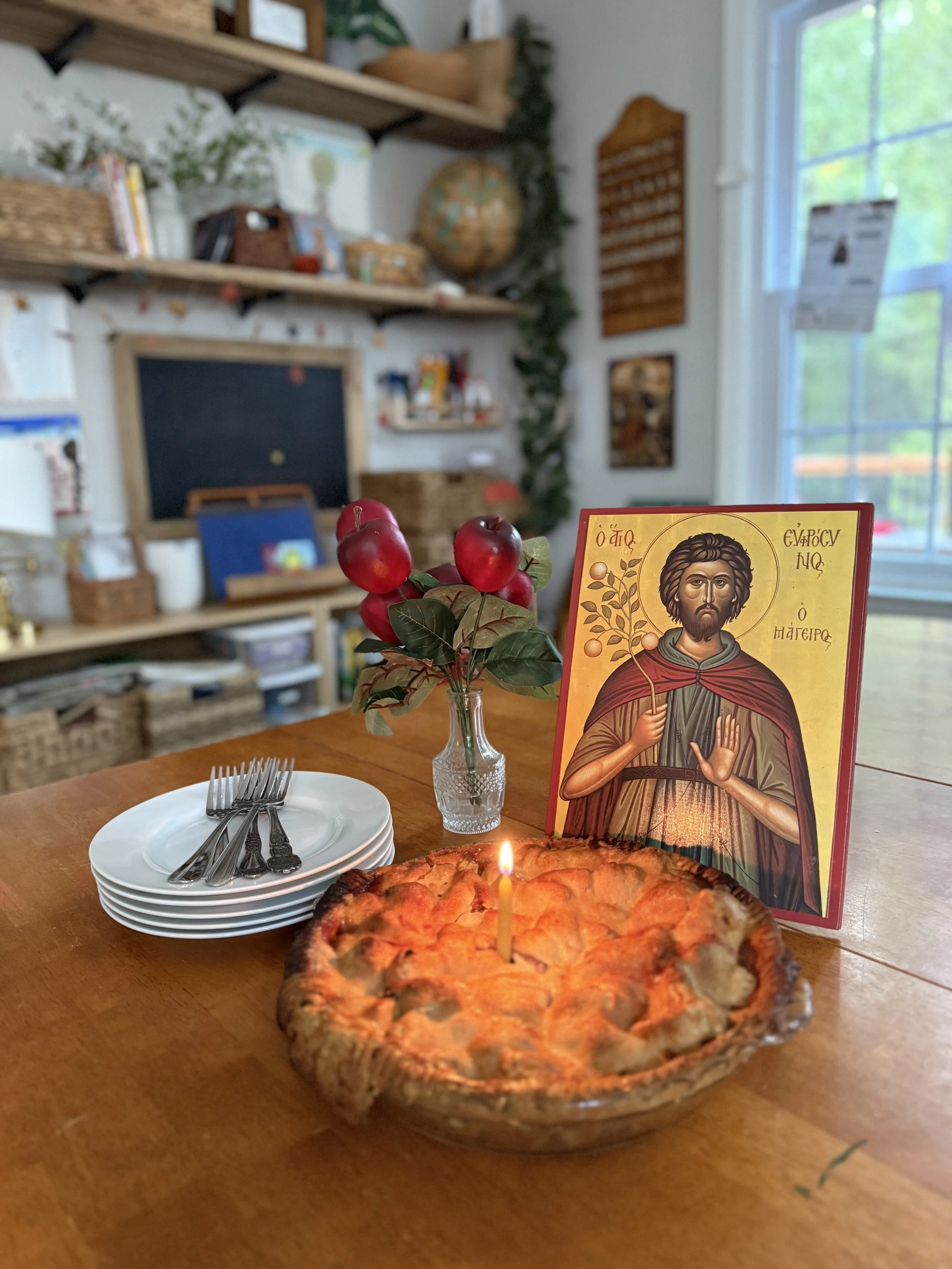
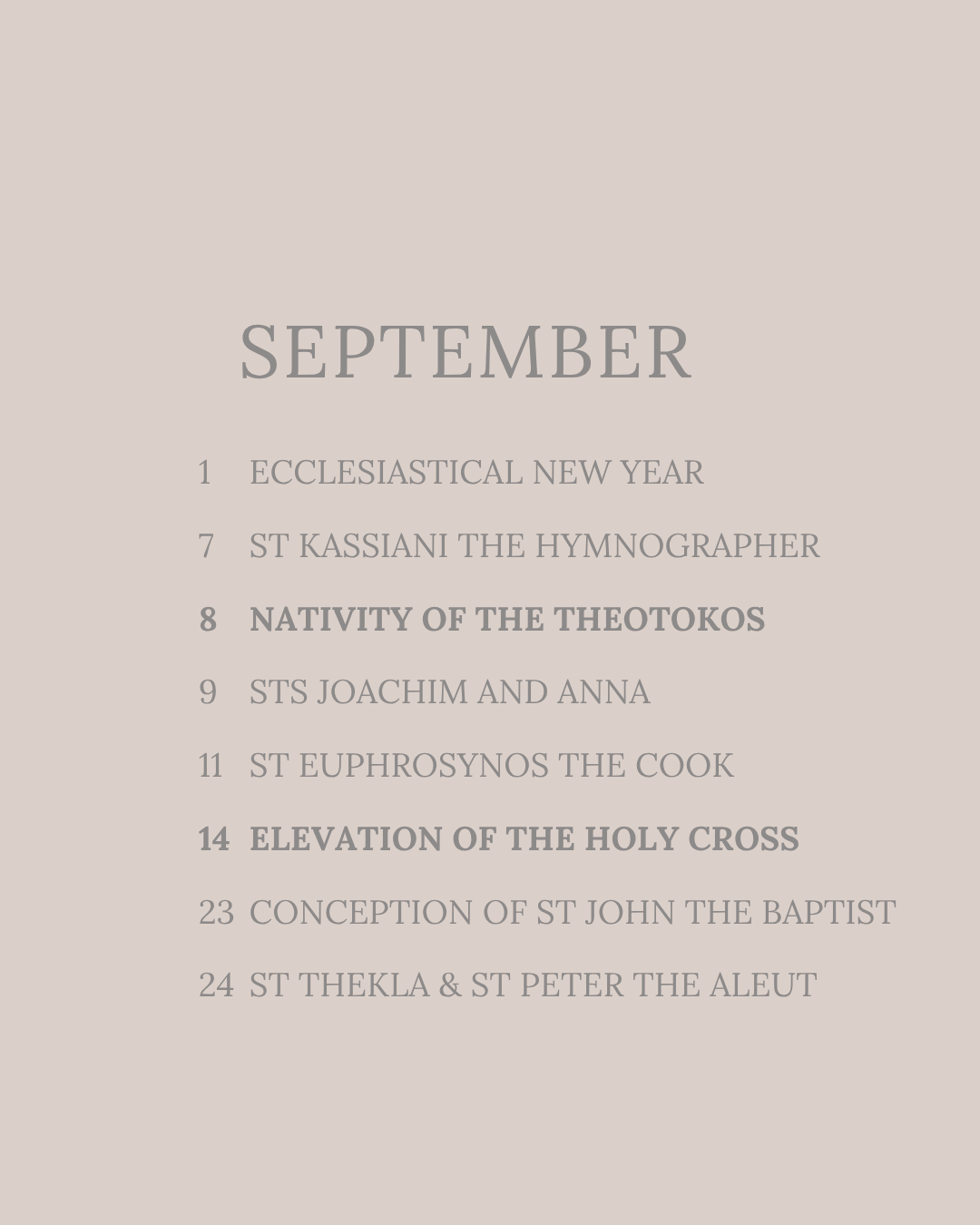
One of the sweetest ways to help children connect with the lives of the saints is through food, especially when the recipe itself has a connection to the saint’s story. Saint Euphrosynos the Cook was a humble monastic who was granted the ability to dwell in Paradise, where he gave away apples from the garden. These simple “Three Baked Apples from Paradise” are a fun way to bring that story to life for your family as you celebrate the feast day of St. Euphrosynos.
The recipe is intentionally simple enough for children to help make, and with just three apples, it’s perfect for a small family—but it can easily be adjusted to make more servings for a larger family, homeschool group, or parish gathering. As you prepare and enjoy these baked apples together, you can remind your children of St. Euphrosynos, his humility, and the beautiful glimpse of Paradise God allowed him to experience.